



· By Umei Foods
Gochugaru vs Gochujang: What’s the Difference?
If you’ve ever cooked Korean food or even just explored bold Asian flavours you’ve probably come across gochugaru and gochujang.
They sound similar. They look related. But they play very different roles in cooking.
Understanding the difference between the two is the key to getting that deep, balanced Korean flavour right.
What Is Gochugaru?
Gochugaru is a type of Korean chilli flake made from sun-dried red peppers.
It’s known for its:
-
Bright red colour
-
Mild-to-moderate heat
-
Slight sweetness
-
Smoky, earthy depth
Rather than being aggressively spicy, gochugaru is about warmth and flavour.
It’s commonly used in:
-
Kimchi
-
Soups and stews
-
Marinades
-
Seasoning blends
What Is Gochujang?
Gochujang is a thick, fermented Korean chilli paste.
It’s made from:
-
Chilli powder (often gochugaru)
-
Fermented soybeans
-
Glutinous rice
-
Salt
The result is a paste that’s:
-
Sweet
-
Savoury
-
Spicy
-
Deeply umami-rich
It’s often used in:
-
Bibimbap
-
Sauces and glazes
-
Stir-fries
-
Dipping sauces
The Key Difference
The simplest way to think about it:
-
Gochugaru = spice (dry, flexible, flavour-building)
-
Gochujang = sauce base (thick, fermented, complex)
One builds flavour gradually. The other delivers a complete flavour in one spoon.
Can You Use Gochujang Instead of Gochugaru?
Not directly. While both contain chilli, they behave very differently:
-
Gochugaru adds dry heat and colour
-
Gochujang adds sweetness, saltiness, and moisture
If you substitute gochujang for gochugaru, your dish may become:
-
Sweeter
-
Heavier
-
More sauce-like
If you do swap: Use a small amount of gochujang and adjust other ingredients (reduce sugar, salt, and liquids).
What Can I Replace Gochugaru With?
If you don’t have gochugaru, you can try:
-
Mild chilli flakes (closest substitute)
-
Paprika + a pinch of cayenne (for colour + heat)
-
Aleppo pepper (similar mild warmth)
But keep in mind, gochugaru has a unique balance of sweetness and smokiness, so substitutes won’t be identical.
Does Kimchi Use Gochujang or Gochugaru?
Traditional kimchi uses gochugaru, not gochujang.
Gochugaru gives kimchi:
-
Its signature red colour
-
A clean, layered heat
-
Room for fermentation flavours to develop
Gochujang is sometimes added in modern variations, but it’s not the traditional base.
Where Umei Fits In
At Umei, we love gochugaru for its ability to bring warmth without overpowering heat.
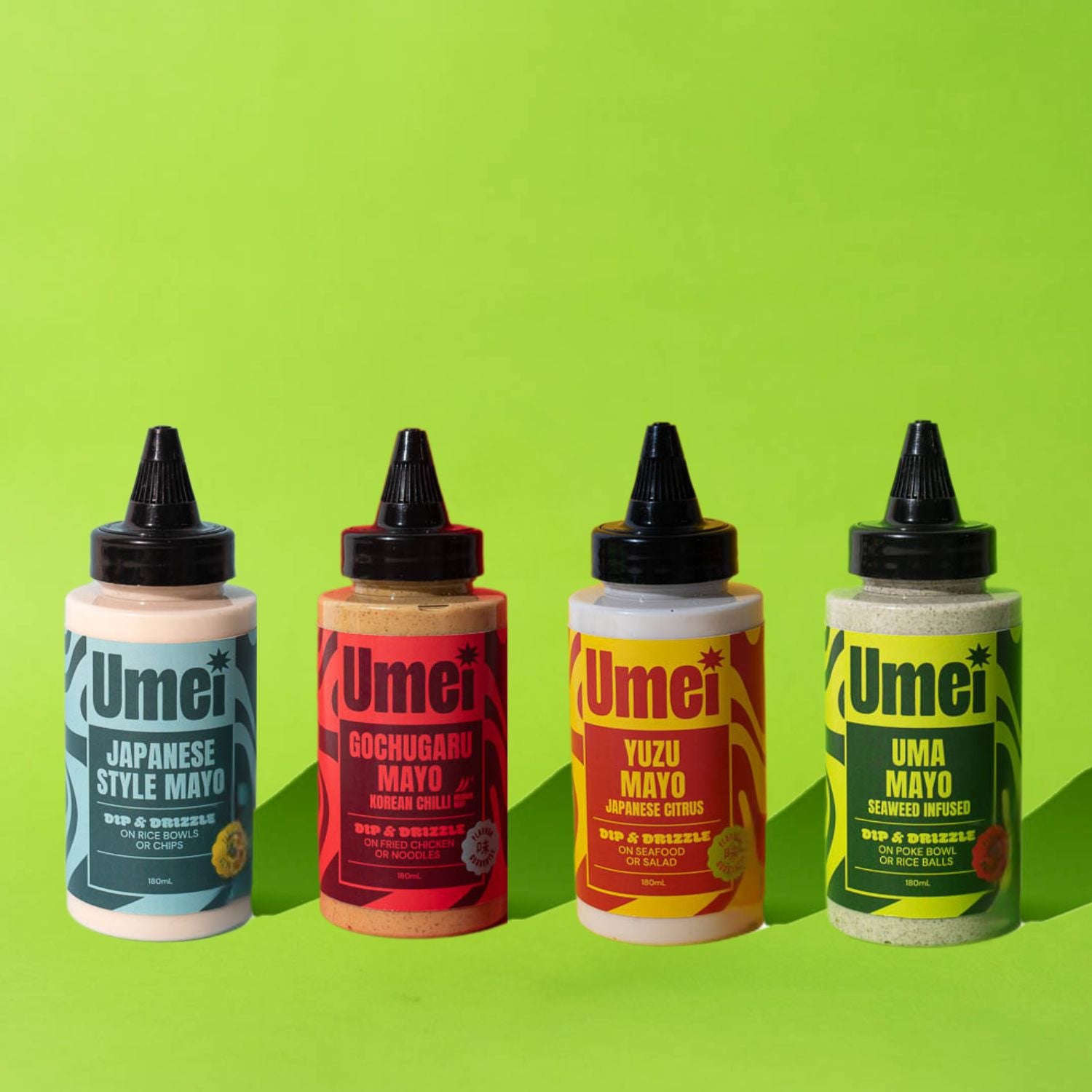
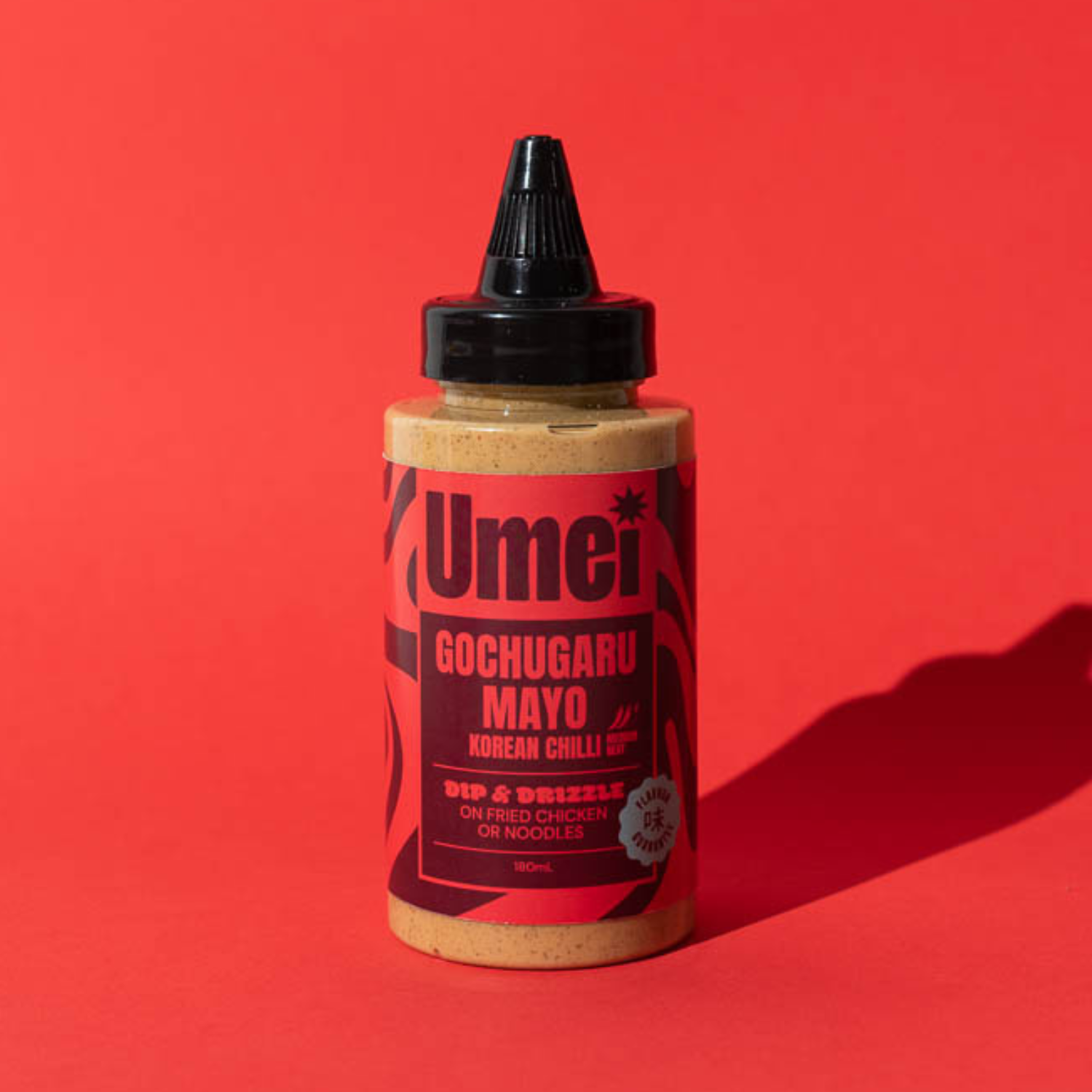
Our Umei Gochugaru Mayo is inspired by this balance combining creamy Japanese-style mayo with the gentle heat and depth of Korean chilli.
It’s not about making things spicy. It’s about making them more interesting.
Try it with:
-
Fries
-
Grilled vegetables
Which One Should You Use?
Use gochugaru when you want:
-
Dry seasoning
-
Layered heat
-
Control over flavour
Use gochujang when you want:
-
A ready-made flavour base
-
Sweet + savoury + spicy in one
-
A thicker sauce or glaze
Both have their place and often, they work best together.
Small Ingredient, Big Impact
Understanding ingredients like gochugaru and gochujang opens up a whole new way of cooking. It’s not about complexity, it's about knowing how flavour works.
Once you do, even simple meals start to taste different.
Explore bold, balanced flavour with Umei Gochugaru Mayo, a modern take on a Korean classic.